Introduction to Algorithms
Use of the Algorithms Algorithms are fundamental in solving problems efficiently across various fields: Computer Science: Basis of programming, from simple sorting and searching to AI and machine lear
Use of the Algorithms
Algorithms are fundamental in solving problems efficiently across various fields:
Computer Science: Basis of programming, from simple sorting and searching to AI and machine learning.
Mathematics: Solve problems like linear equations, shortest paths, and optimization.
Operations Research: Optimize logistics, transportation, and resource allocation.
Artificial Intelligence: Power intelligent systems for tasks like image recognition, NLP, and decision-making.
Data Science: Analyze and extract insights from large datasets in marketing, healthcare, finance, etc.
Algorithms can be simple or complex, depending on the task. Think of it like following a recipe: step-by-step instructions lead to the desired outcome.
Properties of an Algorithm
Each step should be clear and unambiguous.
Inputs should be clearly defined and specified.
Outputs should be clearly defined and specified.
The algorithm must terminate after finite steps.
Each step should be feasible and executable.
The same input should always produce the same output.
The algorithm should be independent of language.
How to Express an Algorithm?
Natural Language: Describes the algorithm using simple, plain-English instructions.
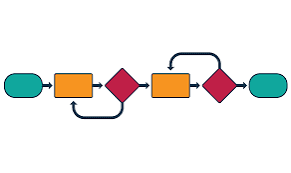
Flowchart: Represents the algorithm graphically using standard symbols and flow lines.
Pseudocode: Describes the logic using code-like instructions without language-specific syntax.
Steps to Design an Algorithm
To design an algorithm, the following prerequisites must be considered:
Problem Definition: Clearly define the problem to be solved.
Constraints: Identify any limitations or rules.
Inputs: Determine what data will be provided.
Outputs: Specify the expected results.
Solution Feasibility: Ensure the solution works within the given constraints.
Example: Consider the example find the Largest of Three Numbers.
مقالات ذات صلة
بايثون المتقدمة: المزخرفات والمولّدات وما بعدها
أتقن الميزات التي تفصل مستخدمي بايثون عن خبراء بايثون — المزخرفات والمولّدات والبرمجة غير المتزامنة وتحسين الأداء.
٤ سبتمبر ٢٠٢٦ · 7 دقائق قراءةطوّر بايثون الخاصة بك: البرمجة الكائنية والـ APIs ومشاريع حقيقية
تعرف الأساسيات. الآن حان وقت كتابة كود منظم وقابل لإعادة الاستخدام ومتصل بالعالم الحقيقي. إليك ما يبدو عليه مستوى بايثون المتوسط.
٤ سبتمبر ٢٠٢٦ · 7 دقائق قراءةلماذا بايثون أفضل لغة برمجة أولى
بناء جملة بايثون البسيط ومجتمعها الضخم وقوتها في العالم الحقيقي تجعلها اللغة المثالية للمبتدئين. إليك لماذا — وكيف تبدأ اليوم.
٤ سبتمبر ٢٠٢٦ · 8 دقائق قراءة